
Innovative medical technologies for clinics encompass advanced diagnostic devices, AI-driven workflow automation, connected remote patient monitoring tools, and integrated digital platforms designed to enhance outpatient care delivery. By modernizing ambulatory workflows, these solutions reduce diagnostic latency, automate administrative tasks, and improve clinical outcomes across independent and multi-site practices. Implementing these technologies allows healthcare providers to scale patient volume while maintaining high treatment efficacy and operational compliance.
Key Takeaways
- Diagnostic speed increases by up to 60% through point-of-care ultrasound (POCUS) and rapid digital pathology tools.
- AI-driven triage systems reduce outpatient intake times and lower clinical documentation burdens by up to 2.5 hours per provider daily.
- Interoperability compliance (FHIR) remains the primary technical hurdle when deploying connected ambulatory solutions.
- Remote Patient Monitoring (RPM) generates continuous clinical data streams that reduce preventable hospital readmissions by 18-25%.
- Modern procurement models shift capital expense (CapEx) to predictable operating expense (OpEx) models through specialized equipment networks.
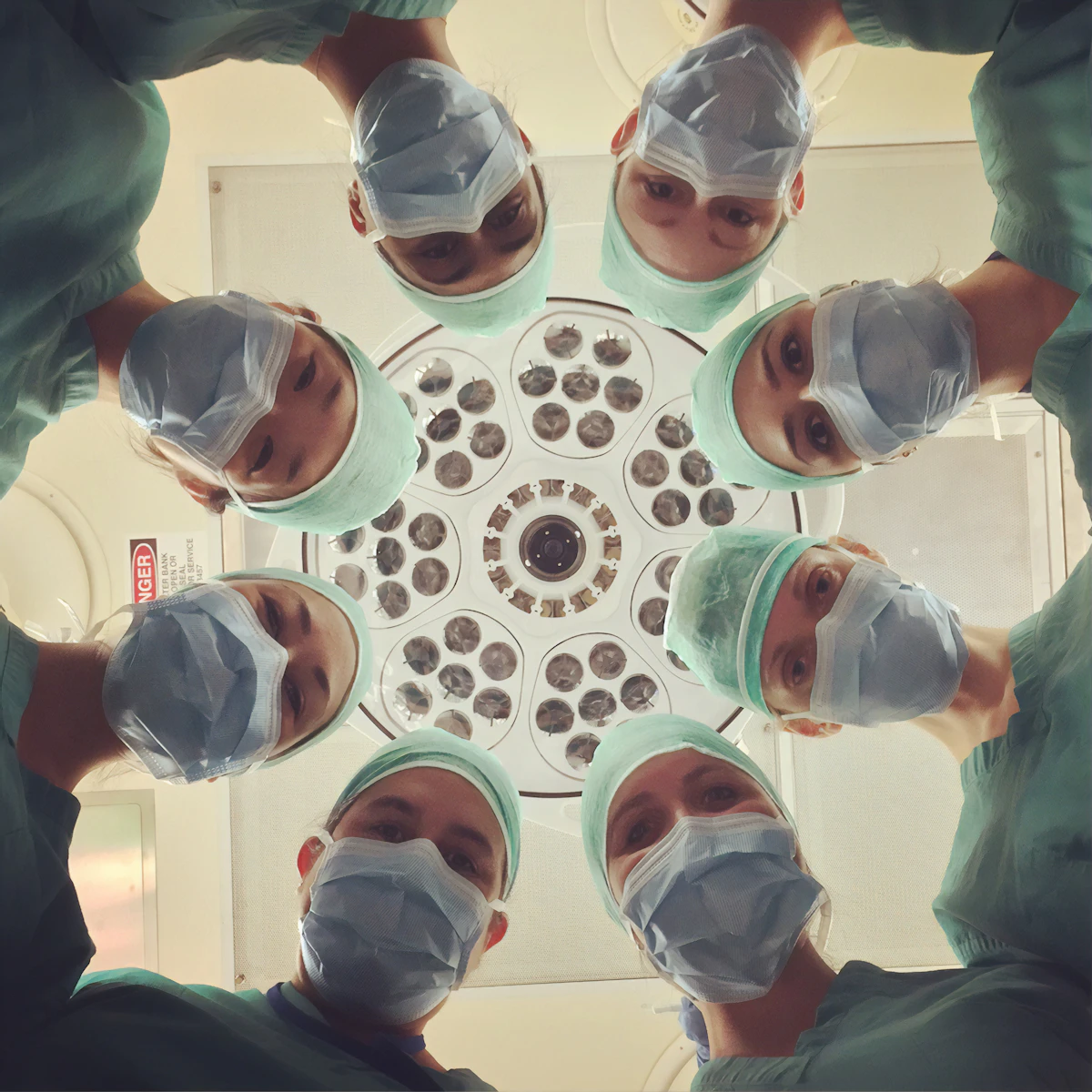
What Are Innovative Medical Technologies for Clinics?
Innovative medical technologies for clinics are specialized hardware, software, and connected diagnostic tools that decentralize tertiary hospital capabilities into ambulatory care settings. These solutions shift secondary screening, chronic disease management, and real-time biometric analysis directly to outpatient clinics.
Primary clinical technology categories include:
- Point-of-Care Ultrasound (POCUS): Handheld imaging devices that pair with mobile interfaces, providing bedside imaging within minutes.
- Ambient clinical scribes: Machine learning micro-engines that capture clinician-patient conversations and generate structured EHR progress notes automatically.
- Decentralized laboratory analyzers: Microfluidic cartridge devices running multiplex PCR and immunoassays with laboratory-grade sensitivity in under 20 minutes.
- Connected bio-sensors: Wearables that feed physiologic telemetry directly into centralized electronic health record (EHR) platforms.
Adopting these systems transforms fragmented primary care practices into high-resolution diagnostic hubs. Facilities seeking scalable modernization can explore advanced healthcare technology solutions for modern care to modernize infrastructure efficiently.
Why Should Outpatient Facilities Invest in Modern Diagnostic Tools?
Investing in modern clinic diagnostics minimizes referral drop-offs, generates faster clinical answers, and retains procedural revenue within the ambulatory setting. According to clinical consensus reported in the National Institutes of Health (NIH), delayed outpatient diagnosis remains a prominent source of preventable complications.
The practical advantages of bedside diagnostic deployment include:
- Immediate triage capabilities: Rapid point-of-care panels permit actionable antimicrobial stewardship during the initial encounter.
- Reduced patient attrition: Eliminating outside imaging orders lowers patient drop-off rates by up to 35%.
- Actionable cardiovascular tracking: Digital acoustic stethoscopes detect structural murmurs through phonocardiogram (PCG) and integrated single-lead ECG algorithms.
Clinics procuring clinical-grade diagnostic hardware should consult a specialized medical device distribution platform to secure validated, warranty-backed instrumentation.
How Does Artificial Intelligence Streamline Clinic Workflows?
Artificial intelligence streamlines clinic operations by automating structured documentation, flagging patient acuity shifts, and optimizing scheduling bottlenecks. Rather than replacing physician judgment, operational AI functions as an assistive administrative layer that eliminates redundant keyboard data entry.
Patient Intake (Digital Triage) ➔ Ambient Encounter Capture ➔ Automated Structured Coding (ICD-10/CPT) ➔ Real-Time EHR Sync
- Ambient speech processing: Microphone arrays ingest conversational audio, filtering background noise and mapping diagnostic terminology to structured SNOMED-CT codes.
- Predictive appointment slotting: Algorithmic scheduling analyzes historical cancellation records to mitigate no-show rates without overbooking waiting rooms.
- Automated billing compliance: Pre-bill scrubbers run diagnostic codes against payer-specific local coverage determinations (LCDs) to prevent claim denials.
"Deploying artificial intelligence inside clinic operations without bidirectional EHR integration creates administrative silos rather than clinical efficiency."
Which Technologies Offer the Highest Clinical and Economic Value?
Selecting clinical technology requires balancing clinical utility against adoption friction, regulatory approvals, and financial returns. Ambulatory centers evaluate solutions based on diagnostic accuracy, provider learning curves, and payer reimbursement viability.
| Technology Category | Primary Clinical Function | Typical Time-to-Result | Implementation Complexity | Primary Payer Mechanism |
|---|---|---|---|---|
| Handheld POCUS | Rapid bedside structural imaging | Under 5 minutes | Medium (Requires credentialing) | Fee-for-Service (CPT 76882) |
| Ambient AI Scribes | Autonomous SOAP note production | Immediate post-visit | Low (Software-as-a-Service) | Overhead savings / Provider retention |
| Digital Rapid PCR | Pathogen multiplex screening | 15–30 minutes | Low (CLIA-waived units) | CPT 87635 / Molecular panels |
| Cellular RPM Systems | Continuous chronic vitals tracking | Continuous telemetry | Medium (Logistics & outreach) | CPT 99453, 99454, 99457 |
| Automated Retinal Cameras | AI-based diabetic retinopathy review | Under 2 minutes | Low (Technician operated) | CPT 92229 (Autonomous AI interpretation) |
Navigating complex equipment options requires structured vendor assessments. Organizations evaluating system-wide upgrades can utilize specialized medical equipment procurement protocols to balance equipment performance and lifecycle costs.
How Can Clinics Overcome Interoperability and Regulatory Hurdles?
Clinics overcome technology adoption hurdles by demanding strict adherence to HL7 FHIR (Fast Healthcare Interoperability Resources) protocols and FDA-cleared interoperability baselines. According to technical frameworks from the Health Level Seven International (HL7), data siloing degrades diagnostic accuracy across continuous care cycles.
Practices must navigate critical operational parameters when deploying connected medical systems:
- EHR integration barriers: Standalone digital platforms cause manual duplicate entry unless bidirectional API integration is operational.
- Cybersecurity vulnerabilities: Connected medical IoT devices must feature end-to-end TLS 1.3 encryption, secure boot logic, and granular role-based access controls.
- Regulatory clearance: Verify that AI diagnostic modules hold clearance under the U.S. Food and Drug Administration (FDA) 510(k) or De Novo pathways for software as a medical device (SaMD).
Addressing interoperability requires expert system configuration. Clinics should leverage professional healthcare technology integration services to preserve cross-platform data continuity and HIPAA compliance.
Case Study: Implementing Connected POCUS and AI Documentation in an Outpatient Network
A midwestern community health network operating four primary care locations integrated handheld POCUS devices and ambient documentation software across 16 exam rooms.
The Operational Challenge
The clinics experienced an average referral lag of 18 days for basic abdominal and soft-tissue imaging, accompanied by an average physician charting time of 2.2 hours after clinical hours.
The Technical Solution
- Deployed 12 FDA-cleared handheld POCUS devices tethered to clinic tablets with automatic cloud archiving.
- Integrated ambient AI documentation tools directly through an EHR-certified web connector.
- Trained nurse practitioners and physicians via a 14-day hybrid ultrasound proficiency module.
Clinical and Financial Results
Within six months of installation, referral wait times for introductory ultrasound screenings dropped from 18 days to zero (conducted during initial visits). Physician after-hours documentation decreased by 74%, while diagnostic diagnostic-to-treatment turnaround plummeted from 3 weeks to under 45 minutes for biliary and musculoskeletal complaints.
Conclusion
Adopting innovative medical technologies for clinics transforms outpatient centers into efficient, data-driven diagnostic hubs. Modernizing equipment and software workflows allows clinicians to minimize administrative overhead, expand diagnostic precision, and retain vital procedural services. Healthcare leaders should audit existing diagnostic gaps, prioritize FHIR-compliant tools, and partner with qualified enterprise distributors to future-proof their clinical environments.
Frequently Asked Questions
What are the most widely adopted innovative medical technologies for clinics?
They include point-of-care ultrasound (POCUS), ambient AI scribes, automated CLIA-waived diagnostic systems, and cellular remote patient monitoring (RPM) equipment.
How do advanced clinic technologies improve diagnostic accuracy?
Modern tools enable real-time bedside imaging, point-of-care pathogen detection, and algorithm-guided vitals analysis, leading to faster and more accurate clinical decisions.
What are the main implementation barriers for outpatient clinical technologies?
Major barriers include complex EHR integration, high upfront capital costs, medical staff training curves, and stringent data security regulations.
Are AI-driven diagnostic technologies reimbursable in outpatient settings?
Yes, outpatient clinics can bill specific Medicare and commercial CPT codes for point-of-care ultrasound, remote physiological monitoring, and automated AI image interpretations.
How should clinic directors evaluate new medical device vendors?
Clinics should verify FDA clearance (510k/De Novo), confirm HL7 FHIR interoperability, evaluate total cost of ownership, and ensure comprehensive vendor training support.
