
Global healthcare supply chain solutions encompass end-to-end procurement, regulatory compliance, logistics, and digital inventory systems designed to move medical technologies, pharmaceuticals, and devices seamlessly across international borders. These cross-border frameworks mitigate clinical disruptions by balancing multi-tiered sourcing, cold chain compliance, and predictive demand modeling. By leveraging centralized B2B networks, healthcare providers protect patient safety while driving down institutional overhead.
Key Takeaways
- Supply chain diversification reduces stockout risks by distributing production reliance across geographically distinct primary and secondary suppliers.
- Regulatory alignment with standards like the U.S. FDA and the European Union Medical Device Regulation (EU MDR) prevents customs delays.
- End-to-end visibility platforms leverage IoT telemetry to track the temperature, humidity, and chain-of-custody for life-saving therapeutics.
- Predictive procurement cuts inventory holding expenses while insulating clinical facilities from sudden demand surges.
- Vetted international networks streamline cross-border equipment delivery, supported by specialized medical technology sourcing for hospitals.
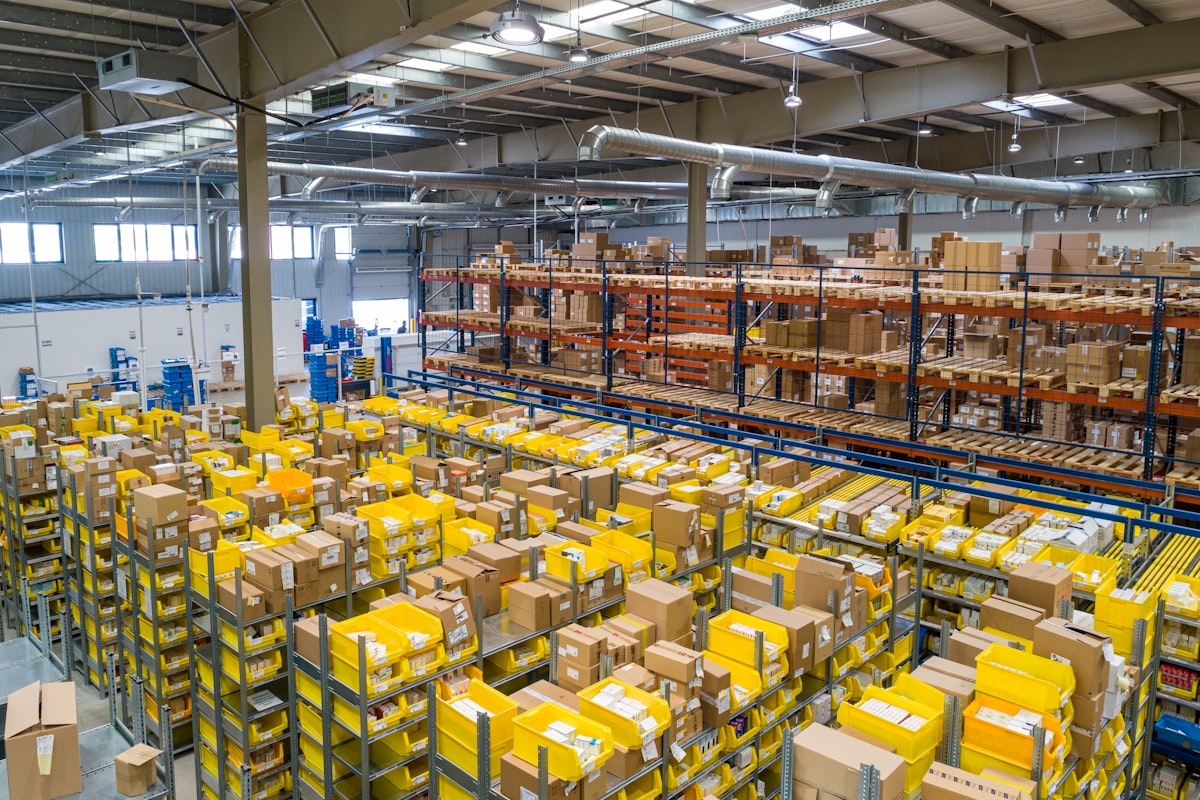
What Are Global Healthcare Supply Chain Solutions?
Global healthcare supply chain solutions represent the integrated infrastructure used to acquire, transport, and distribute medical supplies across international markets. These solutions combine enterprise resource planning (ERP) software, international freight compliance, and cold chain handling to ensure continuous patient care.
Modern international operations must satisfy stringent protocols at every transition point:
- Medical device distribution: Moving sensitive diagnostic systems and capital equipment without mechanical or calibration damage.
- Biopharmaceutical logistics: Maintaining temperature parameters between 2°C and 8°C (or deep-freeze at -80°C) with real-time temperature loggers.
- Consumable pipeline management: Ensuring predictable volumes of PPE, surgical kits, and standard intravenous equipment across global facilities.
According to guidelines from the World Health Organization (WHO), unbroken medical supply chains are critical to prevent substandard and falsified medical products from entering clinical pipelines. Healthcare providers often adopt custom medical solutions for healthcare providers to bridge specific regional supply discrepancies.
Why Do Healthcare Providers Need International Sourcing Networks?
International sourcing networks eliminate domestic single-point-of-failure vulnerabilities that risk clinical shutdowns during regional crises. Relying on single-country production lines exposes hospitals to extreme lead-time volatility, component shortfalls, and predatory pricing.
Multi-region sourcing strengthens organizational resilience through several strategic mechanisms:
- Geographic redundancy: Distributes active pharmaceutical ingredient (API) and component manufacturing across regions such as North America, Europe, and Southeast Asia.
- Cost optimization: Lowers baseline procurement expenses by tapping into competitive regional manufacturing clusters without degrading quality thresholds.
- Technology access: Accelerates adoption of specialized international innovations through strategic healthcare partnerships worldwide.
"A resilient medical supply chain is an active clinical safeguard; lack of inventory visibility directly compromises patient outcomes during critical care interventions."
How Do Digital Technologies Transform Medical Logistics?
Digital technologies replace manual supply-chain tracking with real-time operational intelligence and automated order execution. Cloud-native ecosystems connect hospital materials management systems directly to global freight carriers and primary component vendors.
Key technological drivers include:
- Internet of Things (IoT) sensors: Monitor location, shock, barometric pressure, and temperature for high-value biologics and sensitive electronics.
- Artificial intelligence (AI) forecasting: Analyzes epidemiological datasets and historical hospital consumption patterns to generate accurate order triggers.
- Blockchain ledgers: Create immutable audit trails for drug pedigree validation, fulfilling Drug Supply Chain Security Act (DSCSA) mandates.
When integrated into clinical practice, these platforms allow healthcare systems to automate dynamic replenishment while monitoring cold-chain integrity across every handoff.
Traditional vs. Modern Healthcare Supply Chain Models
Healthcare systems are actively shifting away from fragile legacy distribution structures toward agile, tech-enabled pipelines.
| Operational Dimension | Traditional Supply Chain Model | Modern Global Solution Model |
|---|---|---|
| Inventory Strategy | Just-In-Time (JIT) with single domestic source | Just-In-Case (JIC) hybrid with multi-regional sourcing |
| Data Visibility | Siloed, batch-processed electronic data (EDI) | Real-time IoT sensor telemetry and predictive analytics |
| Risk Management | Reactive response to sudden disruption | Predictive failure modeling and automated rerouting |
| Compliance Verification | Manual paper checks at border checkpoints | Automated digital documentation and digital product passports |
| Procurement Cycle | Linear, fragmented vendor orders | Unified, platform-based B2B medical consultation services |
What Challenges Impact Cross-Border Medical Logistics?
Cross-border medical logistics face strict regulatory divergence and friction across global customs checkpoints. Transporting medical components between economic zones requires complex regulatory documentation to avoid port seizures or spoilage.
Three persistent roadblocks demand structured operational oversight:
- Divergent regulatory frameworks: Navigating conflicting product classification standards between the FDA, CE mark frameworks, and national health authorities.
- Cold chain breaks: Exposure to ambient temperatures during tarmac transfers or multimodal freight handoffs destroys biological integrity.
- Tariff and customs bottlenecks: Incomplete Harmonized System (HS) code documentation often results in impounded critical equipment at ports of entry.
A hospital network in 2024 faced a 45-day delay on imported MRI assemblies due to mismatched sub-component dual-use certifications. Establishing pre-cleared regulatory paperwork and collaborating with established logistics integrators completely eliminates these administrative bottlenecks.
How to Build a Resilient Medical Procurement Strategy
Implementing an international supply chain framework requires a phased execution plan that aligns clinical demands with logistics capabilities.
- Audit single-source vulnerabilities: Identify every therapeutic, consumable, and capital asset that relies on a single manufacturing origin.
- Establish dual-region vendor contracts: Secure primary suppliers along with pre-contracted secondary sources across distinct geographic territories.
- Standardize inventory data architectures: Deploy common taxonomy across enterprise systems to allow real-time inventory exchange between facilities.
- Implement automated customs pre-clearance: Partner with specialized healthcare brokers who prepare import declarations prior to freight departure.
- Establish safety-stock thresholds: Maintain a 60-to-90-day buffer inventory of vital critical-care supplies within localized staging facilities.
This structured rollout protects healthcare providers from unexpected geopolitical tensions, shipping rate fluctuations, and trade pathway closures.
Conclusion
Building resilient global healthcare supply chain solutions requires diversifying suppliers, adopting real-time tracking, and aligning regulatory protocols across borders. Healthcare systems that modernize their procurement frameworks lower operating costs while safeguarding clinical care against sudden disruptions. Evaluate your institutional vulnerabilities today to establish an agile, future-ready international supply network.
Frequently Asked Questions
What are global healthcare supply chain solutions?
Global healthcare supply chain solutions are integrated procurement, logistics, and data systems that move medical technologies, drugs, and devices across international borders safely and efficiently.
How do global supply chain solutions prevent hospital supply shortages?
They prevent stockouts by establishing geographic redundancy across multiple international regions, ensuring alternative suppliers are available if one region experiences disruptions.
How is cold chain integrity maintained during international medical shipping?
Cold chain integrity is preserved using IoT-enabled temperature sensors, validated passive thermal packaging, and active refrigerated containers that provide real-time thermal telemetry during transit.
What is the biggest regulatory challenge in cross-border healthcare logistics?
Key hurdles include managing conflicting international regulations like FDA and EU MDR, preventing customs port delays, and navigating complex trade tariffs.
How does predictive analytics help healthcare supply chains?
AI analyzes historical hospital usage data, seasonal trends, and global epidemiological patterns to forecast inventory needs and trigger automated replenishment orders before shortages occur.
